

Key Takeaways
- Kyphoplasty is a minimally invasive treatment for spinal compression fractures, most often caused by osteoporosis.
- The procedure helps restore vertebral height, stabilizes the spine, and frequently provides immediate pain relief.
- Understanding the process—from preparation to rehabilitation—helps patients set realistic expectations and improves outcomes.
- Although generally safe, there are some risks and post-procedural considerations that patients should be aware of.
Introduction to Kyphoplasty
Kyphoplasty has emerged as a transformative solution for individuals suffering from spinal compression fractures. This condition is especially common among older adults and those with osteoporosis, leading to persistent back pain, limited mobility, and a diminished quality of life. Kyphoplasty aims to quickly address these problems through a minimally invasive approach that relieves pain, improves function, and enhances spinal stability. Learn more about your options for kyphoplasty Jacksonville, FL, and what makes this treatment a breakthrough in spinal fracture care.
If you or someone you care for has been diagnosed with a vertebral compression fracture, understanding what to expect before, during, and after kyphoplasty is essential. This comprehensive guide lays out the process step by step, empowering you to make informed decisions about your health and recovery.
The kyphoplasty procedure is notable for its relatively short recovery time and high success rate. By restoring vertebral height and stabilizing the fracture, the treatment often provides significant, immediate relief for those previously limited by severe back pain. It is performed in a specialized surgical setting and typically does not require a lengthy hospital stay.
With clear preparation and aftercare protocols, patients can experience optimal outcomes and minimize the risk of complications.
During your pre-operative consultations, be sure to ask about allergy risks, anesthesia options, and detailed recovery plans. Patients with a history of bleeding disorders, severe allergies, or complex spinal anatomy may require additional pre-surgical evaluation.
During the Procedure
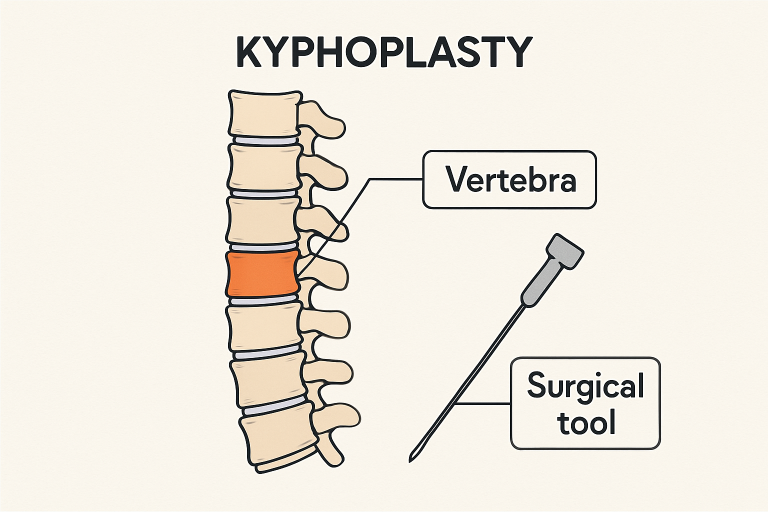
The kyphoplasty procedure is generally completed in under an hour for each fractured vertebra. The main steps are as follows:
- Anesthesia Administration: A combination of local anesthesia and mild sedation keeps patients comfortable and pain-free. This minimization of discomfort helps the patient remain still during the short procedure.
- Needle Insertion: The surgeon uses fluoroscopic guidance (real-time X-ray imaging) to carefully insert a hollow needle through the skin and into the collapsed vertebra.
- Balloon Inflation: A specialized balloon is threaded through the needle and inflated within the vertebral body. This step helps to gently restore lost vertebral height and create a cavity for the bone cement.
- Cement Injection: After the balloon is deflated and removed, orthopedic bone cement is injected into the cavity. This stabilizes the vertebra and usually alleviates pain almost immediately.
The benefit of this minimally invasive technique is that it can be performed with only a small incision and has a rapid post-procedure recovery. Patients often feel significant pain relief even before leaving the medical facility.
Post-Procedure Care
Once the procedure is complete, patients are typically moved to a recovery area for observation. Pain levels, neurological function, and the injection site are closely monitored. Most patients do not require overnight hospitalization and are discharged within a few hours.
It’s crucial to follow post-operative instructions, which include avoiding strenuous activity and heavy lifting for the first week. Continue any osteoporosis medications prescribed and call your doctor immediately if you notice increased back pain, fever, or signs of infection at the site.
Recovery and Rehabilitation
Recovery from kyphoplasty is often swift. Many patients report near-immediate pain relief, with further improvements over the first 24 to 48 hours. Most people can resume light daily activities within a few days, but should avoid bending, lifting, or twisting for at least several weeks.
Following up with your healthcare provider is important for monitoring healing progress and planning any necessary rehabilitation or osteoporosis management. Some patients may benefit from physical therapy, especially if muscle weakness or mobility issues preceded the fracture.
Prevention of future fractures through medical management, exercise, and dietary adjustments is a key aspect of long-term spine health. Routine bone density scans and lifestyle modifications play a significant role in minimizing risk for additional spinal injuries.
Potential Risks and Complications
While kyphoplasty is a low-risk procedure compared to open surgery, patients should be aware of possible complications. The most common risks include infection at the injection site, bleeding, or increased back pain shortly after the procedure.
- Rare but more serious complications may involve nerve injury, leading to numbness or muscle weakness.
- In very uncommon cases, leakage of bone cement can occur, occasionally causing nerve irritation or, in rare instances, pulmonary embolism.
- Allergic reactions to the anesthesia or the cement itself should also be discussed with your provider beforehand.
The vast majority of patients experience no lasting side effects and achieve pain relief with restored mobility. Nonetheless, be vigilant in reporting any new symptoms or concerns to your healthcare team promptly.
Final Thoughts
Kyphoplasty can dramatically improve the lives of individuals coping with spinal compression fractures by providing rapid pain relief and supporting spinal recovery. By carefully following your provider’s guidance and attending all follow-up appointments, you can maximize the benefits of this innovative, minimally invasive therapy and return to a more active and comfortable lifestyle.
Always consult with your healthcare provider to discuss whether kyphoplasty is appropriate for your specific medical needs, and to ensure your recovery plan supports your long-term spinal health and overall well-being.