

Table of Contents
- Introduction to Workers’ Compensation in California
- Eligibility Criteria for New Employees
- Common Injuries Among New Employees
- Steps to Take After a Workplace Injury
- Benefits Available to Injured Workers
- Recent Changes in Workers’ Compensation Laws
- Preventing Workplace Injuries
- Conclusion
Introduction to Workers’ Compensation in California
Workers’ compensation in California is a fundamental protection for employees, ensuring access to medical care and wage replacement following workplace injuries or illnesses. The system is designed to be no-fault, meaning you do not have to prove your employer was negligent to receive benefits. Instead, the primary obligation is to establish that the injury or illness occurred in the course of employment, which is especially important for those just starting a new job.
From your first day on the job, California law provides coverage for nearly every worker. This ensures that even new employees are not left unprotected during their crucial first weeks when they may still be learning safety protocols or adjusting to workplace hazards. If you are seeking more detailed information or legal resources on this process, visit hinden.net for guidance and support.
The state’s Division of Workers’ Compensation (DWC) oversees this system, requiring employers to carry insurance that covers a broad range of employment-related injuries and illnesses. This proactive coverage benefits both employers and employees by reducing the potential for disputes and litigation, making it easier to focus on recovery and returning to work.
Recent statistics reveal that workplace accidents remain a reality, especially for new hires. New employees often face the greatest risk as they become accustomed to their responsibilities and work environment. This makes understanding your rights and the steps to take after an injury vital to a successful workers’ compensation claim. According to the California Department of Industrial Relations, awareness and prompt action are key to protecting your health and your claim.
Eligibility Criteria for New Employees
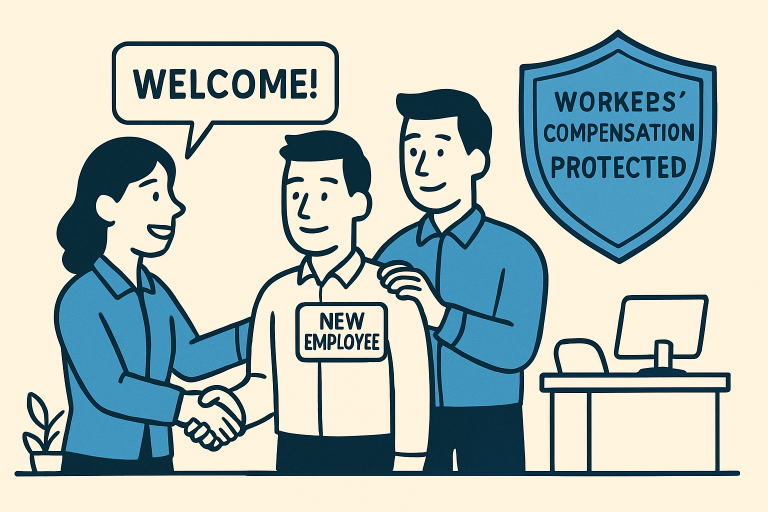
Workers’ compensation coverage is straightforward in California. All employees, regardless of employment status, full-time, part-time, or temporary, are included from their first hour on the job. You do not need to pass a probationary period or work a set number of hours before becoming eligible for benefits. This comprehensive approach ensures that all workers have access to the support they need in the event of a work-related injury or illness. Employers are required to inform you of this coverage at the start of your employment, typically through written notices and workplace postings. If you have questions about your eligibility or the claims process, consulting resources such as NOLO’s legal guides can provide helpful clarification.
Common Injuries Among New Employees
Approximately 40% of workers’ compensation claims in California are filed by employees with less than 1 year of job experience. This disproportionate risk is most frequently observed in service-providing sectors, including retail, hospitality, education, and finance. Common injuries reported by new hires include slips, trips, falls, strains from lifting or repetitive tasks, and accidents with machinery or workplace equipment. Many of these injuries can occur during routine activities, underscoring the importance of early and effective employee training and supervision to reduce risk. By focusing on safe practices from day one, employers can help protect new hires from these statistics.
Steps to Take After a Workplace Injury
When a workplace injury or illness occurs, following the proper steps is critical for accessing the full spectrum of workers’ compensation benefits. California law outlines a straightforward process to help injured employees receive timely care and avoid unnecessary claim delays:
- Report the Injury: Notify your supervisor or employer as soon as possible. Do not delay; prompt reporting is often required for successful claim approval.
- Seek Medical Attention: Visit a healthcare provider authorized by your employer’s workers’ compensation insurance. Immediate medical documentation will support your claim and start the recovery process.
- File a Claim: Complete and return the DWC-1 workers’ compensation claim form to your employer. This form starts the official benefits process and is required for wage replacement and medical coverage.
Employers are obligated to provide you with the necessary forms and information after you report an injury. Timeliness is essential in each step; delayed reporting or claim filing can jeopardize your ability to access benefits.
Benefits Available to Injured Workers
California’s system offers a comprehensive range of benefits to support injured workers during and after their recovery:
- Medical Care: Covers all medically necessary treatment related to the work injury or illness, without requiring you to pay upfront costs.
- Temporary Disability Benefits: Offers wage replacement if you are temporarily unable to work due to your injury.
- Permanent Disability Benefits: Provides compensation for permanent impairments that affect your ability to earn a living.
- Supplemental Job Displacement Benefits: Issues vouchers for retraining and education if you cannot return to your prior job.
- Death Benefits: Pays financial support to eligible dependents if a workplace injury or illness is fatal.
These benefits ensure that employees facing unexpected health issues can focus on healing and long-term stability instead of worrying about lost income or medical bills. The DWC’s Injured Worker Guidebook offers in-depth explanations of each benefit and how to qualify for them.
Recent Changes in Workers’ Compensation Laws
Starting January 1, 2025, California implemented notable changes to strengthen worker protections and enhance transparency. First, the minimum and maximum weekly rates for temporary disability benefits have increased. The new range spans from $252.03 to $1,680.29 per week, reflecting the state’s commitment to keeping pace with the rising cost of living.
Additionally, employers must meet stricter requirements to inform employees about their right to consult with a licensed attorney regarding workers’ compensation claims. These updated disclosure laws give workers added confidence that they can seek legal help without fear of retaliation or confusion. Employers are encouraged to review a summary of these changes on trusted legal news sites, such as The National Law Review.
Preventing Workplace Injuries
Preventative measures can dramatically reduce the risk of injury among new hires. Key strategies include:
- Comprehensive Training: Detailed orientation programs and recurring safety training sessions help employees understand and avoid common hazards.
- Mentorship Programs: Pairing inexperienced workers with seasoned mentors fosters safer, more responsible workplace habits.
- Regular Safety Audits: Employers who conduct frequent inspections and promptly address hazards can significantly decrease the likelihood of accidents.
By promoting a culture of safety and maintaining open communication, workplaces are better equipped to protect their most vulnerable recruits. According to OSHA, employer investment in safety pays for itself through reduced injury rates and increased productivity.
Conclusion
California’s workers’ compensation system is engineered to protect new employees from their first day. By understanding eligibility, promptly responding to injuries, and staying informed about legal updates, both workers and employers can ensure compliance and safety. Building a workplace culture that prioritizes employee well-being helps everyone thrive, making California a model for worker protections nationwide.